
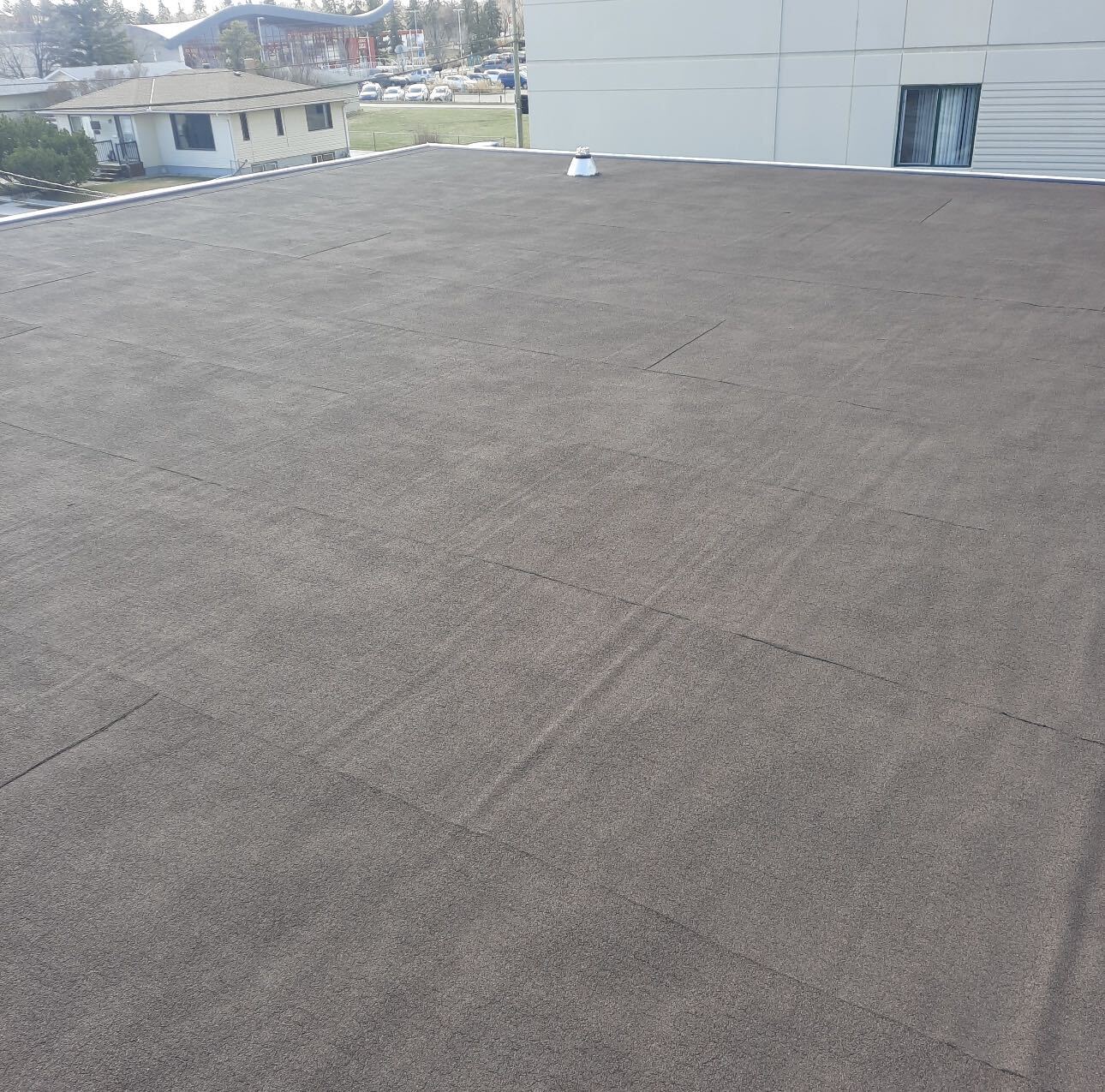
No records, no claim
When a manufacturer assesses a warranty claim, they ask what maintenance was performed and when. "We never had a problem before" is not an answer that holds.
A membrane roof that gets inspected twice a year and cleared after storms will outlast an identical roof nobody looks at — often by years. It also keeps your manufacturer warranty enforceable, because most of them require documented maintenance.
The part most owners miss
Manufacturer warranties are conditional documents, not guarantees. Most require documented, regular maintenance — and put the burden of proof on you.
When a manufacturer assesses a warranty claim, they ask what maintenance was performed and when. "We never had a problem before" is not an answer that holds.
Damage traced to blocked drains, debris or deferred repair is typically excluded — the failure gets classified as neglect rather than a product defect.
On a storm claim, an adjuster is separating sudden weather damage from gradual wear. Documented inspections are the evidence that supports the first reading.
Two visits a year — spring and fall — plus a check after any major hail or wind event. Spring catches what winter did; fall clears the roof before snow load arrives and closes anything that would get worse under it.
Why the report matters as much as the work: it's what you hand a manufacturer on a warranty claim, an insurer on a storm claim, and a board or owner when you're asking for capital. It's also how you stop paying for the same problem twice.
Program pricing depends on roof area, how complex the detailing is, how many penetrations and drains there are, and access. A single-tenant building with a simple field is a very different visit from a plaza with fifteen roof-top units.
Annual, covering two scheduled visits plus post-storm checks
Property managers with more roofs than time. Building owners who'd rather spend predictably than get surprised. Strata and condo boards who need documentation for reserve planning. And anyone who has just paid for a new roof and wants to protect the warranty they were issued.
If you manage several buildings, we can run one schedule and one reporting format across the portfolio — see multi-property servicing.
Questions
Twice a year — spring and fall — plus a check after any major hail or wind event. That cadence catches drain blockages and seam issues while they're still cheap, and produces the documentation most manufacturer warranties require.
Frequently, yes. Manufacturer warranties are conditional and commonly require documented, regular maintenance. Damage traced to blocked drains or deferred repair is typically excluded as neglect. Read your own warranty document — and if you can't produce maintenance records, assume a claim will be harder.
Yes. We start with a baseline assessment so we both know the roof's actual condition before a program begins — including anything that needs repair first. We'll tell you honestly if a roof is too far gone for maintenance to be a sensible spend.
Minor repairs get done during the visit. Anything larger gets photographed, explained and quoted separately, with a clear read on urgency — what needs doing now, what can wait a season, and what to budget for.
Yes — one point of contact, one reporting format, scheduling aligned to your budget cycle. See multi-property servicing.
Next step
Tell us the building and roughly its roof area, and we'll come back with a scope and a price.